Activ-Agence
Explore cities through movement, walkability, cycling culture, and urban energy.
© Copyright 2026 Activ-Agence LLC - All Rights Reserved
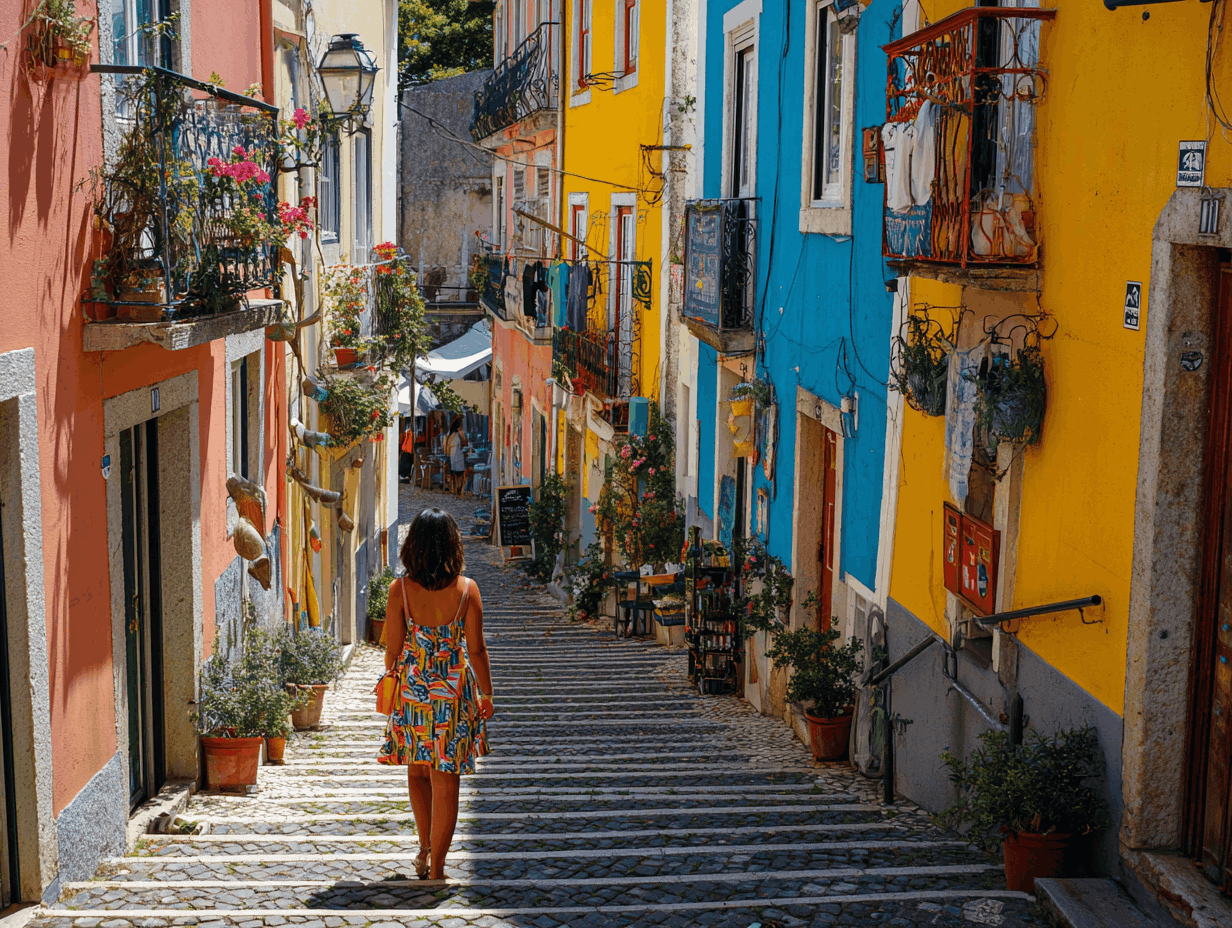
How Lisbon’s steep hills and descents make the city perfect for active walking.
Lisbon has a special kind of energy that comes from its hills. Every climb and every descent pulls you forward and rewards you with new views and different atmospheres. The city does not let you stay flat or lazy for long. Your legs get involved whether you planned it or not.
The neighborhoods here are fantastic for long walks. Alfama with its narrow cobblestone streets and hidden stairs feels like stepping back in time. You can wander for hours getting lost in the old houses and small squares. Then Bairro Alto offers a more lively mix with bars and restaurants while Principe Real gives you elegant streets and green parks. Crossing from one district to another usually means going up or down which turns a simple walk into a proper workout.
Locals know how to use these hills for staying active. In the mornings you will see many people running along the Tagus River promenade where the path is flatter and gives nice long stretches. Others head to Parque Eduardo VII for runs with some gentle slopes or challenge themselves on the paths around Monsanto forest. The combination of city and nature makes it easy to find routes that fit different energy levels.
Sunrise routes feel extra special in Lisbon. Walking up to one of the miradouros like Miradouro da Senhora do Monte early in the morning gives you an incredible view as the sun rises over the red rooftops and the river. The air is still cool and the city wakes up slowly below you. Another good option is starting near the Belem Tower and walking along the waterfront as the first light hits the water. Many people make these morning walks a regular habit.
The hills and stairs are what really define the city. Almost every walk includes some climbing. The steep streets in Alfama or the famous Calçada do Carmo steps can make your legs burn but reaching the top always feels satisfying. Some paths have hundreds of steps hidden between buildings leading to quiet viewpoints or small churches. After a few days your body gets used to it and you start enjoying the effort.
For higher spots there are several rooftop terraces and open areas especially in hotels or public viewpoints where people go to stretch or simply breathe after a long climb. These places give you that feeling of being above the city while resting your legs for a moment before continuing.
One of the best experiences is creating routes that mix hills with flatter sections. Starting down by the river in Cais do Sodre and walking up through Chiado into Bairro Alto then down again towards the river gives you a perfect loop with constant changes in scenery. Or you can go from Baixa up to Castelo de Sao Jorge and explore the castle area before descending through Alfama. These routes keep things interesting and make the city feel bigger than it is.
It is normal to hit 20000 steps or even more on a regular day in Lisbon without forcing anything. The hills add extra effort so even shorter distances feel like real activity. You walk to the tram stop explore neighborhoods explore some more and take evening strolls. The layout of the city simply forces natural movement and the beautiful surroundings make it all enjoyable.
Even at night the streets stay active. People are out walking in Bairro Alto or along the illuminated riverfront. The city lights on the hills create a special atmosphere that makes you want to stay outside longer. It never feels too crowded but the gentle movement is always present.
Lisbon proves that hilly cities can be some of the most rewarding places for active travelers. The constant ups and downs keep your body engaged while the views and atmosphere keep your mind excited. After spending time here you return home with stronger legs and lots of good memories from all those natural walks. The city does not just invite movement it rewards every single step you take.